High performance Carbon Ceramic Brake Discs and Pads Supplier
Next-generation C/SiC braking technology for racing, luxury, and special utility vehicles. 70% lighter than steel, 3x longer lifespan. Engineered for ultimate stopping power.
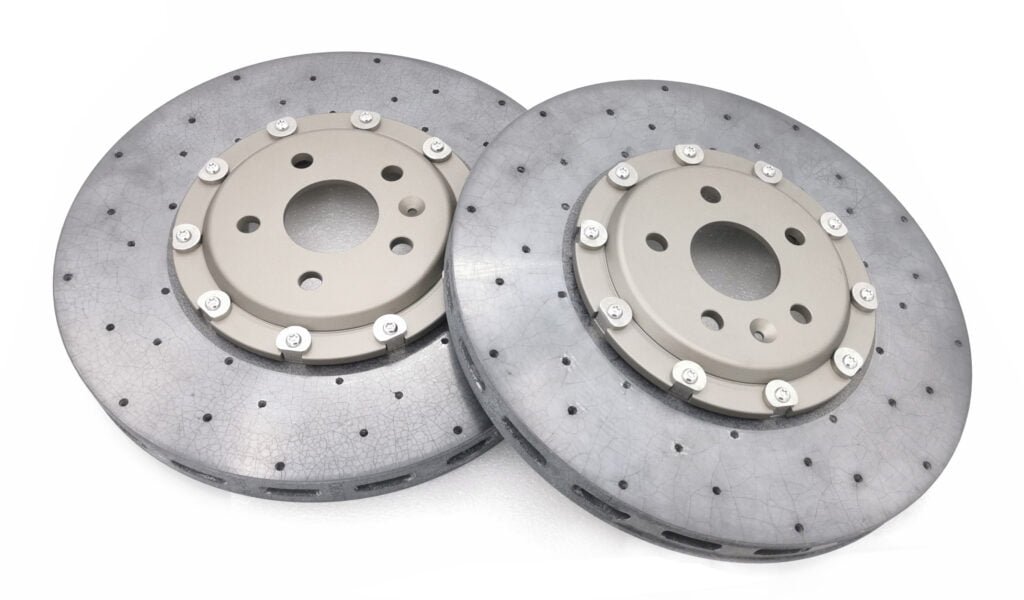
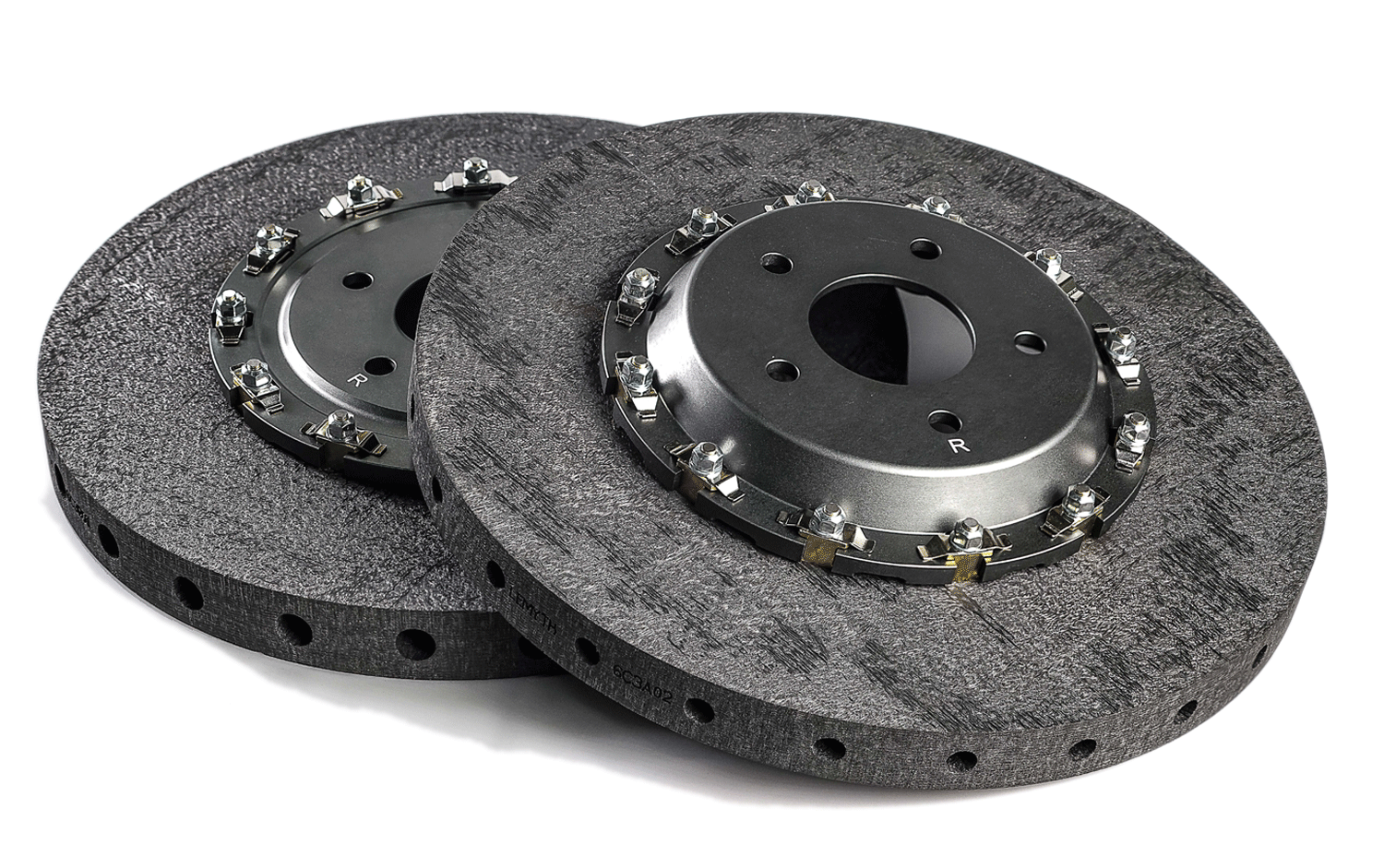
At CMCMAT, we specialize in the manufacturing of advanced continuous fiber Carbon Ceramic (C/SiC) brake rotors. Unlike traditional iron discs, our carbon ceramic brakes are composed of a carbon fiber-reinforced silicon carbide matrix. This aerospace-grade material offers exceptional thermal stability and mechanical strength.
Designed for the most demanding automotive applications, our CCB rotors are the ideal upgrade for global brake brands, racing teams, and automotive distributors looking for premium performance solutions. We offer complete kits including carbon ceramic discs and bespoke center bells (hats).
Wide Range Applications for Different Car models
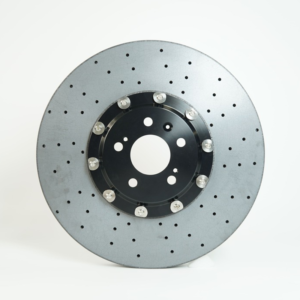
We supply carbon ceramic brakes for many different car models, no matter replace stock carbon ceramic rotors or upgrade origianl steel rotors to carbon ceramic discs. And customization dimension rotors are also avialable.
Reduces unsprung weight by up to 70% compared to steel rotors, significantly improving vehicle handling, acceleration, and fuel efficiency.
Extreme Heat Resistance
Withstands temperatures over 1,600°C without brake fade. Consistent braking performance during intensive track use or continuous downhill driving.
Extended Lifespan
Offers 3 to 5 times the service life of traditional cast iron discs (300,000+ km under normal driving conditions), reducing long-term replacement costs.
No Brake Dust
Say goodbye to corrosive brake dust. Carbon ceramic materials keep your wheels clean and maintain the aesthetic appeal of high-end vehicles.
Applications of Our Carbon Ceramic Braking Systems
Motorsports & Racing
For track days and competitive racing where fade resistance and weight reduction are critical for lap times.
Luxury & Supercars
Compatible upgrades for brands like Ferrari, Porsche, Lamborghini, Nissan GTR, and high-performance sedans.
Armored & Military Vehicles
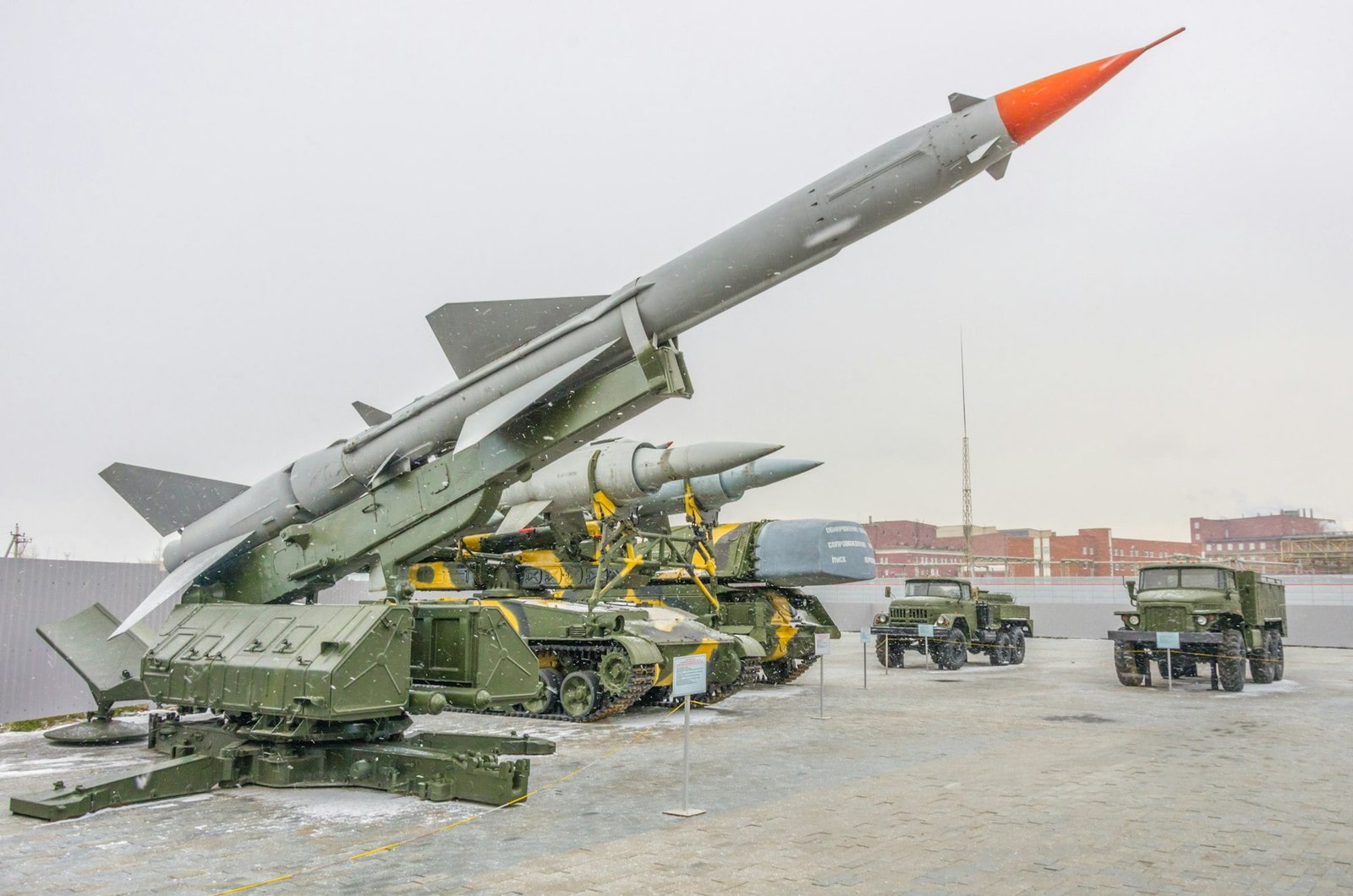
Providing necessary stopping power for heavy-duty armored SUVs and tactical vehicles that require high thermal capacity.
OEM & Customization Services for Distributors
As a dedicated manufacturer, CMCmat supports B2B partners with comprehensive customization services. We understand that one size does not fit all.
Custom Dimensions
We produce rotors in various diameters (e.g., 380mm, 400mm, 420mm) and thicknesses to fit specific calipers and wheel sizes.
Center Bell Design
We offer custom CNC-machined aluminum center bells (hats) to match specific vehicle bolt patterns (PCD) and offsets.
Private Labeling
Laser engraving services for your brand logo on the bell or disc surface.Also we supply special private box with your brake rotors.
A: Carbon Carbon brakes are primarily used for aircraft and Formula 1 cars; they require high temperatures to work effectively and are not suitable for street use. Carbon Ceramic (C/SiC) brakes, which we supply, are designed for automotive use. They offer excellent cold bite, making them effective for both street driving and track use.
A: No. You must use specific brake pads formulated for carbon ceramic discs. Using standard semi-metallic or ceramic pads designed for steel rotors can damage the CCB surface. CMCmat can recommend or supply compatible high-performance pads.
A: Yes, we are an export-oriented manufacturer. We ship our carbon ceramic brake kits globally to MROs, distributors, and modification shops via air freight or sea freight, ensuring safe packaging to prevent damage during transit.
Ready to Upgrade Your Inventory?
Contact our technical sales team today for a catalog, price list, or to discuss your custom project requirements.
The Difference Between Carbon Ceramic Brakes and Steel Brakes
Carbon ceramic (C/C-SiC) brakes and steel brakes are two different types of braking systems used in the automotive industry, each with its own distinct properties and best use cases.
Carbon Ceramic Brakes
Material Composition:
Made from a mixture of carbon fiber and ceramic, which are baked at very high temperatures. The result is a material that is extremely hard and durable.
Performance:
Heat Resistance: Exceptionally high resistance to heat, which prevents brake fade even under intense braking conditions typical in racing or high-performance driving.
Weight: Significantly lighter than steel brakes, which reduces unsprung mass and generally improves vehicle handling and performance.
Durability:
Tend to last longer than steel brakes under proper use, especially in high-performance scenarios where they resist high temperatures and wear down more slowly.
Cost:
Much more expensive than steel brakes, both in terms of initial cost and potential repair or replacement costs.
Maintenance:
Require less frequent replacement but can be more expensive and complex to replace when needed.
Less wear on brake discs, but pads can still wear and need replacement.
Application:
Commonly used in high-performance sports cars and vehicles where performance, weight reduction, and durability under extreme conditions are critical.
Steel Brakes
Material Composition:
Typically made from iron alloys. Traditional steel brakes can also include various composites and metallic coatings to enhance performance.
Performance:
Heat Resistance: Less resistant to high temperatures compared to carbon ceramics, which can lead to brake fade under heavy or sustained braking conditions.
Weight: Heavier than carbon ceramic brakes, adding to the unsprung mass of the vehicle.
Durability:
Generally wear faster than carbon ceramic brakes, particularly in demanding conditions.
Cost:
Significantly cheaper to manufacture, purchase, and maintain, making them the standard choice for the majority of consumer vehicles.
Maintenance:
Require more frequent replacement of discs and pads due to faster wear, especially under high-stress driving conditions.
Generally easier and cheaper to replace than carbon ceramic parts.
Application:
Used in the vast majority of vehicles, including daily drivers, commercial vehicles, and in many performance cars where cost is a factor.
Summary
Best Use: Carbon ceramic brakes are best for performance-oriented vehicles where the driver may experience extreme conditions, such as in racing or high-performance road use. Their ability to handle high temperatures and lighter weight makes them ideal for these applications.
Cost-Effectiveness: Steel brakes are more cost-effective for general use in everyday vehicles. They provide adequate performance for regular driving conditions and are much more economical regarding upfront and maintenance costs.
Choosing between carbon ceramic and steel brakes typically comes down to the specific needs and usage of the vehicle, balancing factors like cost, performance requirements, and vehicle type.
Get a Quick Quote
Note: Your email information will be kept strictly confidential.